Safety First: Education, not prescription. Plants are powerful; bodies are individual. When in doubt, consult a clinician who likes both humans and evidence.
Peppermint
🌱 Overview

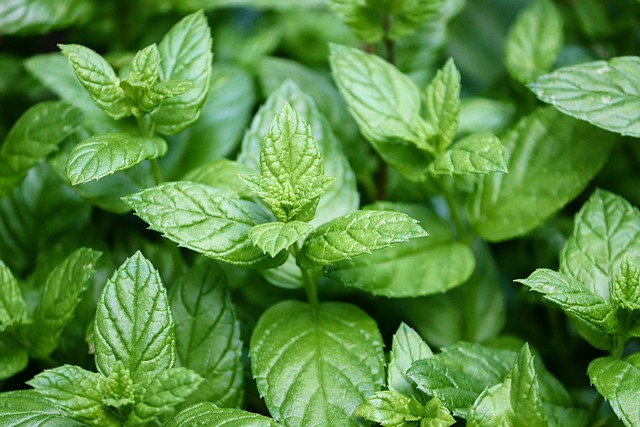
A cool-headed mint with brisk aromatics. Kitchen staple, breath tamer, and occasional ally for tummies that appreciate calm—provided the zest doesn’t tip into reflux.

Also known as
Peppermint
Parts used
Leaf, Aerial parts, Essential oil (distilled, highly concentrated)
Forms
Tea / Infusion (leaf, fresh or gently dried), Tincture / Liquid extract (aerial parts), Enteric-coated capsules (peppermint oil), Topical oil/cream with diluted peppermint essential oil, Lozenges / Syrups (culinary-aromatic), Steam inhalation (aromatic, non-prescriptive household use)
📖 Background
Who
Gardeners, confectioners, and herbalists; clinicians mostly encounter enteric-coated oil capsules and topical menthol products.
What
A natural hybrid of watermint and spearmint; prized for high menthol content and clean, penetrating aroma.
When
Cultivated in Europe since the 18th century; industrial distillation scaled its essential oil into food, pharma, and perfumery.
Where
Now grown widely; notable production regions include parts of Europe, North America, and Asia.
Why
Bridges cuisine and care: pleasant taste encourages use; aromatics are distinctive; modern products standardize convenience (capsules, creams).
🧭 Common Uses
  • Traditional tea after meals for a sense of digestive ease; aromatic steam for stuffy moments; topical menthol for a cooling sensation.
  • Modern snapshots: enteric-coated peppermint oil is investigated for functional digestive comfort; topical menthol preparations are used for a perceived cooling effect on tense areas. Product quality and dosing vary.

Notes reflect tradition and research snapshots. They’re not instructions.

🧪 Constituents & Phytochemistry
  • Menthol: Coolant-in-chief; engages trigeminal “cool” receptors responsible for that breezy feel.
  • Menthone, menthyl acetate: Round out peppermint’s signature scent and flavour.
  • Rosmarinic acid & other phenolics: Mint-family regulars found in leaf infusions.
  • Volatile terpenes (e.g., 1,8-cineole): Contribute to aroma profile; highly concentration-dependent in essential oil.
☠️ Foundational Safety
  • Essential oil is potent: always dilute for skin; avoid eyes and mucosa.
  • Infants/young children: do not apply peppermint oil near face or nose; strong vapours can be risky for little airways.
  • Reflux/heartburn: peppermint can relax the lower oesophageal sphincter; tea or non-enteric oil may aggravate symptoms in some people.
  • Bile duct, gallbladder, or severe liver disease: caution with concentrated oil products.
  • Drug interactions are generally low with tea; concentrated oil may interact—check labels and coordinate with a clinician if using regularly.
  • Allergies/skin sensitivity: patch-test diluted topicals; discontinue if irritation occurs.
  • Enteric-coated capsules: do not crush/chew; coating is there for a reason.
📜 Historical Footnotes
  • Named for its “peppery” bite next to sweeter spearmint; confectioners made it famous.
  • Victorian apothecaries stocked peppermint water for unsettled stomachs and breath freshening.
  • Menthol migrated from herb gardens into chest rubs, liniments, and toothpastes.
🎭 The Green Muse

✍️ My Notes